Well Inspections in Dripping Springs, TX
Buying or selling Hill Country property? We inspect the well, pump, tank, and water quality and give you a clear picture.
Inspections in Dripping Springs
A well inspection tells you the true condition of a water system before it becomes your problem — which is exactly why it matters when Hill Country property changes hands. We inspect private water wells across Hays County for home buyers, sellers, and owners who simply want to know where they stand. We check the well itself and its casing, test the pump performance and the flow rate the well actually produces, evaluate the pressure tank and switch, measure the static and pumping water levels, and run a water-quality test for bacteria and basic chemistry. Because nearly every rural home out here runs on a well rather than city water, the well inspection is one of the most important — and most overlooked — parts of buying a place on acreage. You get a clear rundown of what is good, what is aging, what the well produces, and whether the water is safe to drink, so you can buy with confidence, sell without surprises, or budget for the work ahead.
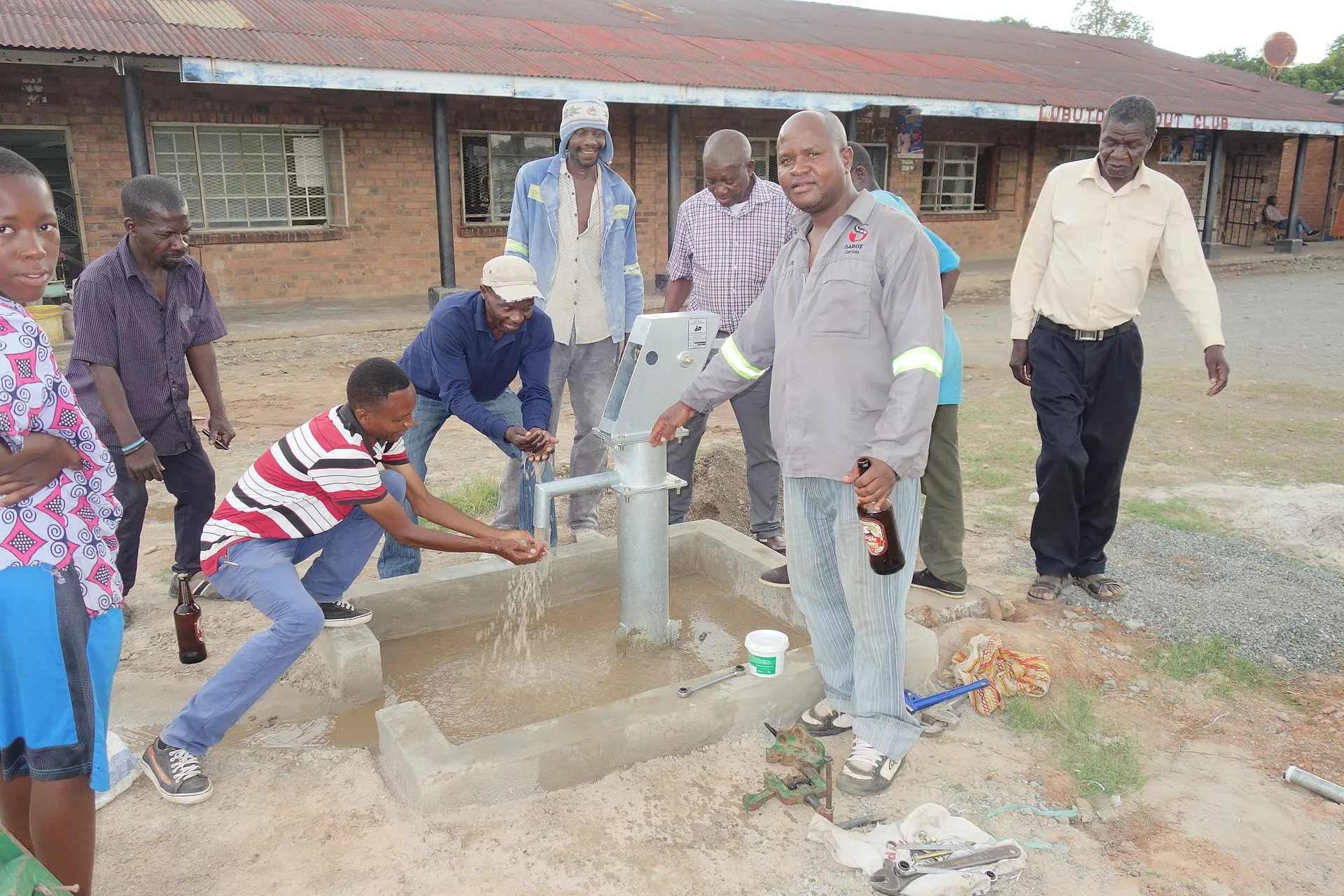
Well service in Dripping Springs
Dripping Springs sits in the heart of the Texas Hill Country west of Austin, and almost everything outside the small town core runs on a private water well. The ranchettes, new builds, and acreage spreads out toward Henly, Fitzhugh, and the Highway 290 corridor draw their water from the Trinity aquifer beneath the limestone — there is no city water out on most of these lots. We drill, pump, and service water wells all over the Dripping Springs area. The local pattern is its own thing: a wave of new rural builds that each need a new well, older shallow wells on long-held land that struggle when the drought drops the aquifer, and homes with steep caliche driveways well off the road. We see dry wells, declining yields, pumps that have worn out, and pressure tanks short-cycling. Trinity wells here can run deep, and depth and yield change from one ridge to the next. Tell us whether you are building new, have lost water, or have a pressure problem, and we will give you a straight answer, a real price, and a crew that knows Dripping Springs wells and the aquifer under them.
- Full inspection for buyers, sellers, and owners
- Casing, wellhead, pump, and pressure tank checked
- Well yield and recovery tested, water levels measured
- Pressure switch and controls evaluated
- Water sampled for bacteria and basic chemistry
- Clear written summary of yield, condition, and water quality
Need inspections elsewhere? See all of our Dripping Springs services or inspections across Hays County.
Inspections in Dripping Springs
Tell us what’s happening and we’ll call you back — local Dripping Springs service.
Areas We Cover in Dripping Springs
In town or out on rural acreage — if it’s in or around Dripping Springs, we come to your property.
- Henly
- Fitzhugh
- Sycamore Creek
- Caliterra
- Belterra
- Rim Rock
Common Well Issues in Dripping Springs
The water well problems we see most around here — and how we handle them.
New rural builds that each need a well
Dripping Springs is one of the fastest-growing parts of the Hill Country, and nearly every new home on acreage out here starts with drilling a new well into the Trinity aquifer. Siting the well, hitting a reliable water-bearing zone, and casing it correctly are the foundation of the whole build, and we drill new residential wells across the area.
Older Trinity wells declining in drought
Many long-held properties around Dripping Springs have shallower wells drilled decades ago into the upper Trinity, and when a drought drops the aquifer those wells lose yield or run dry by afternoon. We diagnose whether it is the pump or the water level, and tell you honestly whether a deeper replacement well is the real fix.
Steep caliche lots and remote access
Out toward Henly and Fitzhugh, homes sit well off the road on steep caliche drives. We bring the right rig and trucks for the access and the drill site and work with you on where the well and equipment go, so you get a well drilled and serviced without tearing up the property.
Inspections in Dripping Springs — FAQs
Do you cover all of the Dripping Springs area?
How deep do wells go in Dripping Springs?
My well is going dry in the drought — what are my options?
Do I need a well inspection when buying a rural home?
What does a well inspection test for?
How long does an inspection take and what do I get?
Also Serving Near Dripping Springs
Need Inspections in Dripping Springs?
Call now for a fast quote — we come to your property, and no-water emergencies get priority.